ATOMIZER · WMI NOZZLE · PA12 CF · AUSTIN, TX

No pump. Just geometry.

Conventional water-methanol injection needs an external pump to build atomization pressure — more plumbing, more failure points, more places to mount something in an engine bay that's already full. ATOMIZER's internal nozzle geometry generates that pressure differential on its own.

See specs

Fluid Atomizer · WMI Nozzle · Gen 5 · PA12 CF · R&D

ATOMIZER

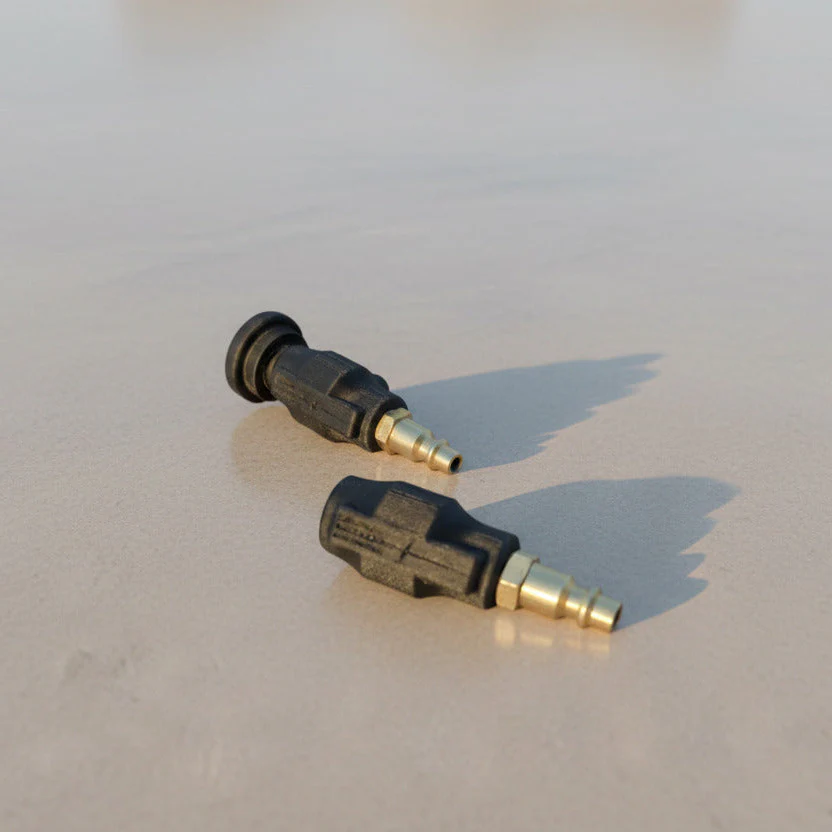
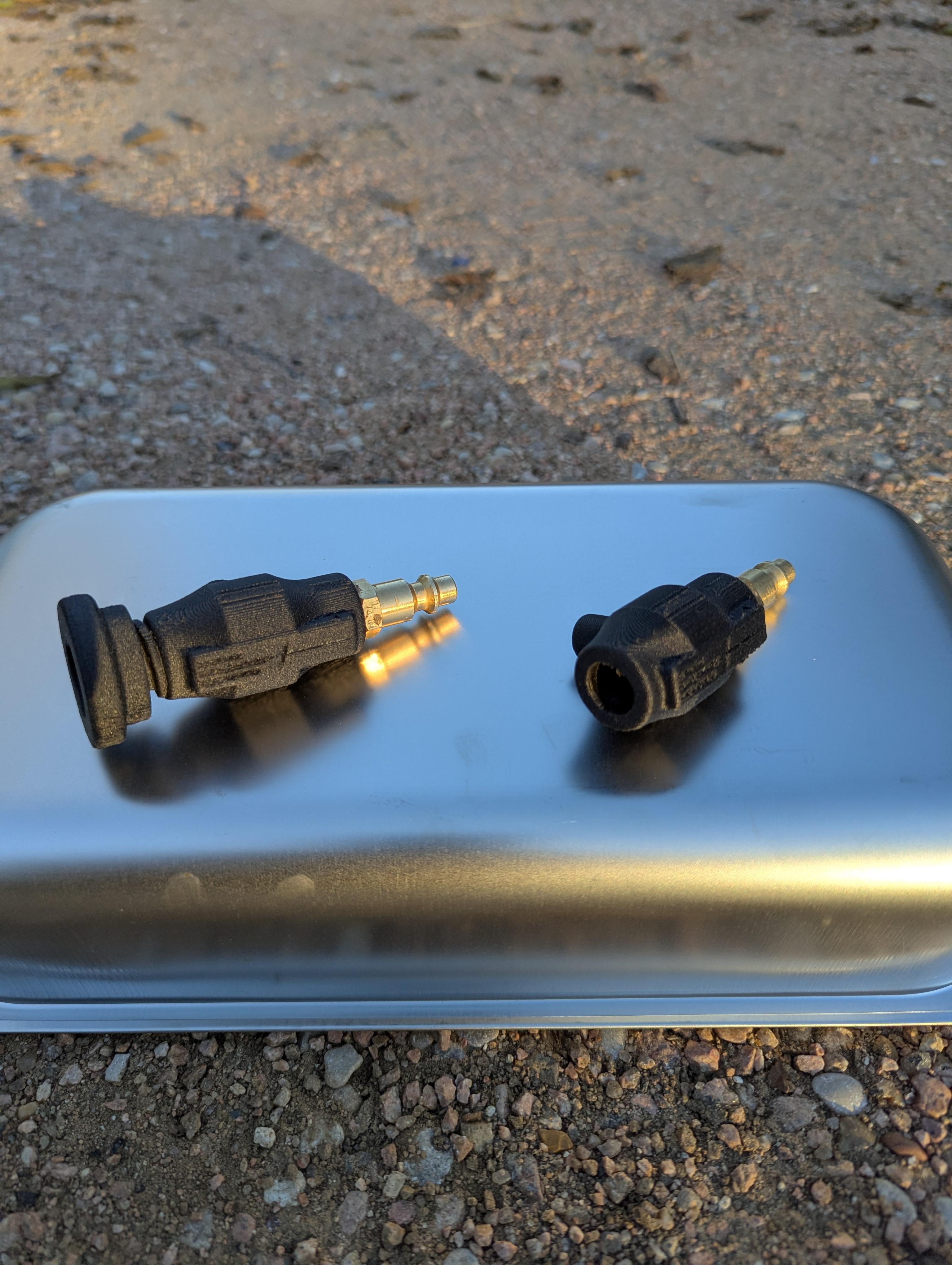
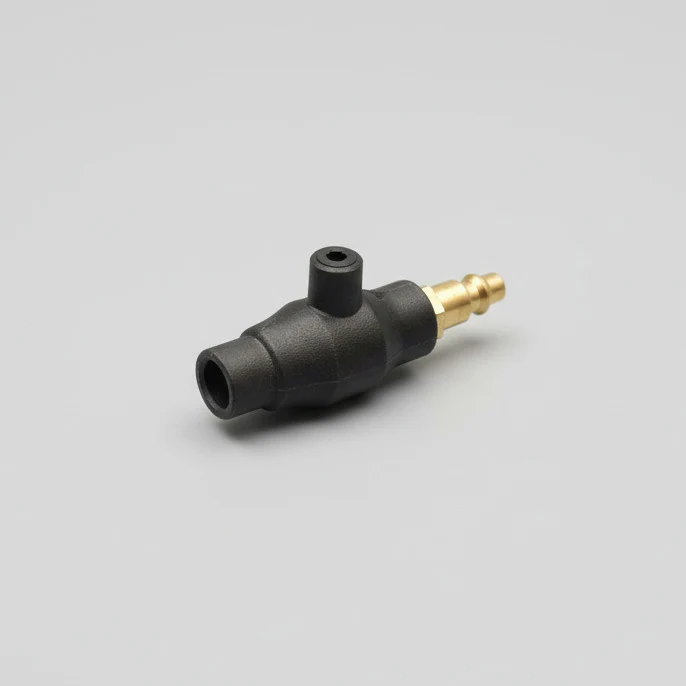
A high-pressure vacuum atomizer that fits in the palm of your hand. The nozzle geometry alone creates the pressure differential needed to atomize fluid internally — no external pump required. Five generations of refinement in a PA12 carbon fiber body small enough to go anywhere. Nine hardware generations total, still in active R&D.

  • Choked at the throat — Mach 1.00 at 90 psig inlet (sim-verified)
  • 4.0 mm throat Ø · 722 kPa stagnation P0 · ~324 m/s sonic orifice velocity
  • 21.2 g/s air mass flow through the ejector at 90 psig
  • Mach 4.03 ideal exit — supersonic expansion is what shears the fluid
  • High-pressure vacuum atomization — no external pump
  • PA12 CF body — heat and chemical resistant
  • Palm-sized — fits where standard nozzle assemblies won't
  • Built for turbo, supercharged, and drag racing applications
  • Hybrid metal-insert architecture planned for next revision

Pricing coming soon

Available Soon

Currently in R&D — not yet available for sale · QUESTIONS → products@sanchezlabs.us

The nozzle does the work a pump usually does

Most WMI setups bolt on complexity to solve a pressure problem. ATOMIZER solves it in the geometry instead.

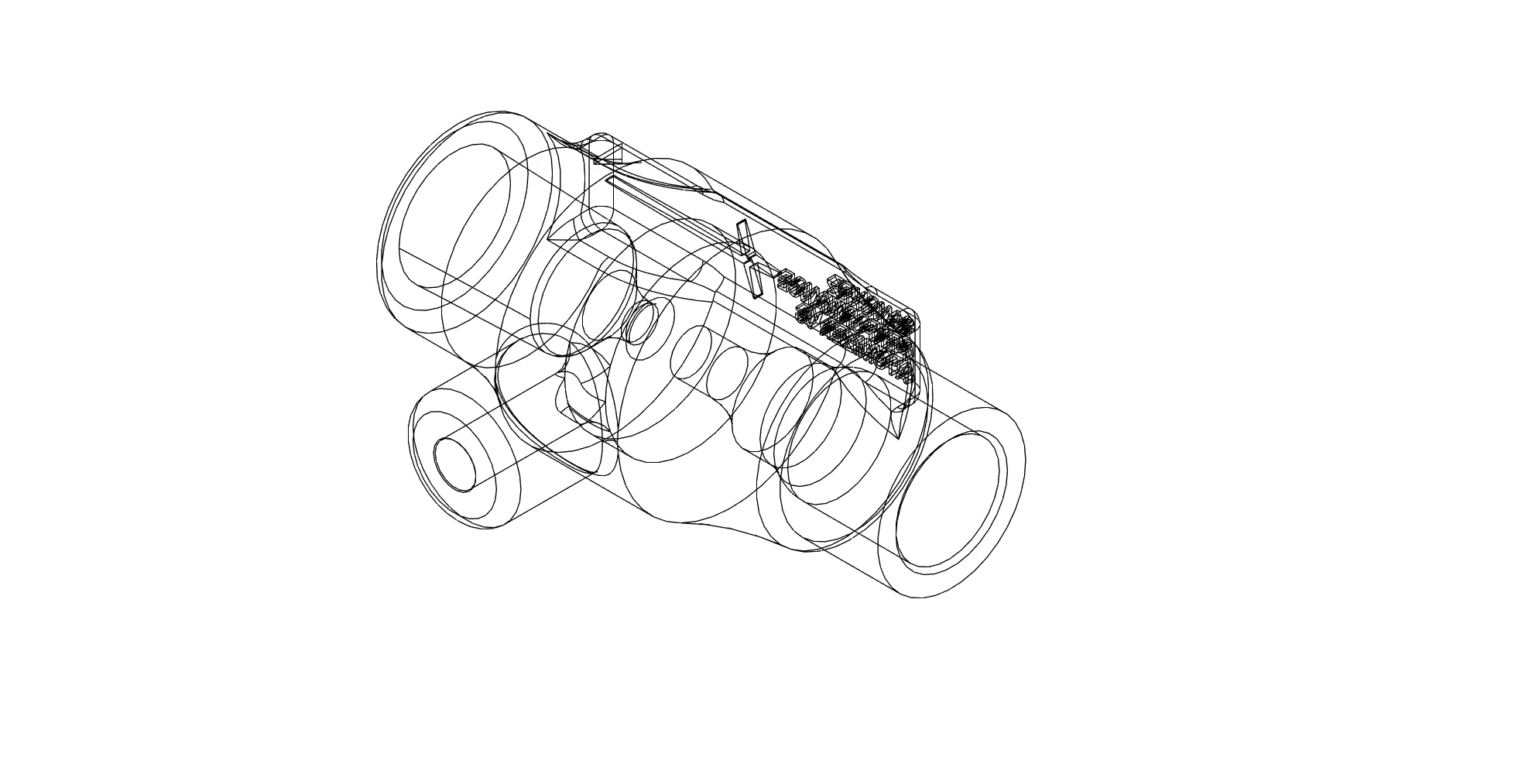
Internal nozzle geometry Generates the pressure differential needed for atomization without an external pump One less pump to mount, wire, and maintain in an already-crowded engine bay
Choked throat — Mach 1.00 at 90 psig The 4.0 mm throat sits sonic and stays there, then expands supersonic past it Mass flow locks to inlet pressure alone — atomization doesn't wander with downstream conditions
PA12 carbon fiber, palm-sized body Survives heat and chemical exposure while staying small enough for tight bays Fits mounting locations where standard nozzle assemblies physically can't
Nine hardware generations Every revision tested and iterated before moving to the next What ships will already have failed and been fixed nine times over

The throat goes sonic and stays there.

ATOMIZER run on the virtual flow bench at 90 psig shop air — a compressible air-driven venturi ejector solved through the printed geometry, rendered as schlieren. The throat chokes at Mach 1.00 and the flow expands supersonic past it; that expansion is the vacuum that pulls water-methanol in through the WMI port and shears it, with no pump anywhere in the circuit.

ATOMIZER flow bench · schlieren Ch.02 · 90 psig inlet. Warm = stagnation pressure, cool = vacuum. Shock cells in the diverging section are the supersonic expansion; the WMI port draws into that low-pressure region.
Inlet pressure 90psig Standard shop-air supply — no dedicated compressor
Mach @ throat 1.00choked Sonic lock at the throat, ~324 m/s
Stagnation P0 722kPa Total pressure ahead of the converging section
Throat Ø 4.0mm Printed PA12 CF orifice — the whole mechanism
Mass flow ṁ 21.2g/s Air through the ejector at the choked condition
Exit Mach (ideal) 4.03M Isentropic area-ratio ceiling — the shear that atomizes

These are solver numbers, not bench numbers. The run is a compressible ideal-gas solve on the as-printed internal geometry at a 90 psig inlet; the exit Mach is the isentropic area-ratio ideal, so a real nozzle with boundary-layer growth, surface roughness, and off-design back-pressure will land under it. What the sim settles is the mechanism — the throat does choke, and the expansion downstream of it does generate the vacuum the design depends on. Physical flow-bench correlation is still on the list.

See the run

Nine generations. Still not finished.

ATOMIZER exists because pump-based WMI is a solved problem solved badly — more parts than the job needs. Current bill of materials runs about $3 per unit; the hard part was never the cost, it was the geometry. A hybrid metal-insert architecture is planned for the next revision.

Designed and tested in Texas by people who actually work on performance vehicles — not a marketing department.

Read the full build log

QUESTIONS & WAITLIST

products@sanchezlabs.us

Not yet available for sale. Email to be notified when ATOMIZER ships.